
"GR1 coffee"
80 article(s) found

Sumatran Coffee grading Sumatran Coffee Flavor description is Sumatran coffee good
Professional coffee knowledge exchange more coffee bean information please follow the coffee workshop (Wechat official account cafe_style)

Costa Rican Coffee Features Manor Flavor Description Taste Treatment Area Grind Introduction
Costa Rican Coffee Features Manor Flavor Description Taste Processing Method Production Area Grinding Degree Introduction ● Colombia Super (Colombian Supremo) Moderate acidity, medium alcohol, sweet and smooth, aroma, nutty taste, with a hint of chocolate taste in the finish. Good acidity, moderate body , really sweet ,nutty aroma with smooth, ,rich fl

Introduction to the classification of boutique Kenyan coffee
◎ grades defective beans by the number of points, which is the earliest method of grading, and is still in use in many parts of Brazil. The method of identification is to randomly take 300 grams of samples and put them on black paper, because black paper can best avoid reflection. Then, examined carefully by the professional appraiser, find out the defective beans in the sample, and accumulate different scores according to the types of defects. For example, one black bean counts as one.
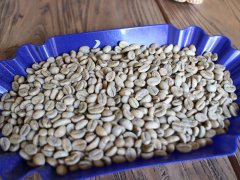
The grading of coffee is an important indicator rather than the only one.
Grading is an important indicator rather than the only indicator: there are thousands of substances in coffee beans, and people's preferences and feelings are different, grading can not show 100% of the flavor of coffee, to find good coffee, testing is the best way. The method of grading: generally speaking, a producing country uses only one method. There are the following: according to the size of coffee beans (Bean size)

Classification of coffee beans to distinguish defective beans
Grading by the number of points of defective beans is the earliest classification method, and it is still in use in many parts of Brazil. The method of identification is to randomly take 300 grams of samples and put them on black paper, because black paper can best avoid reflection. Then, examined carefully by the professional appraiser, find out the defective beans in the sample, and accumulate different scores according to the types of defects. For example, one black bean counts as one point.

Coffee grades introduction Coffee Grade introduction Fine Coffee beans
◎ grades defective beans by the number of points, which is the earliest method of grading, and is still in use in many parts of Brazil. The method of identification is to randomly take 300 grams of samples and put them on black paper, because black paper can best avoid reflection. Then, examined carefully by the professional appraiser, find out the defective beans in the sample, and accumulate different scores according to the types of defects. For example, one black bean counts as one.

Knowledge of coffee in Sumatra
In the minds of most of us, manning coffee is almost the same as Sumatran coffee or even Indonesian coffee. Moreover, our general impression of it is: high mellow, low acidity, and with some herbal and earthy smell. As for the latter, I will focus on the diaries of Sumatra and the events held. I just want to talk about production here.

Kenyan coffee grading method-points classification of defective beans-high classification of origin
◎ in order to produce a high degree of classification, generally speaking, due to the cold climate, slow growth rate of coffee, higher density of raw beans, harder texture, more mellow aroma of coffee, and supple sour taste; on the contrary, the density of raw beans is smaller, the texture is less hard, the quality of coffee is worse, so some people classify by hardness. This grading method can be divided into the following categories

Identification of coffee beans graded defective beans in coffee producing areas of Kenya
◎ grades defective beans by the number of points, which is the earliest method of grading, and is still in use in many parts of Brazil. The method of identification is to randomly take 300 grams of samples and put them on black paper, because black paper can best avoid reflection. Then, examined carefully by the professional appraiser, find out the defective beans in the sample, and accumulate different scores according to the types of defects. For example, one black bean counts as one.

Coffee beans size graded siphon coffee pot & what kind of coffee does #160; make?
◎ grades defective beans by the number of points, which is the earliest method of grading, and is still in use in many parts of Brazil. The method of identification is to randomly take 300 grams of samples and put them on black paper, because black paper can best avoid reflection. Then, examined carefully by the professional appraiser, find out the defective beans in the sample, and accumulate different scores according to the types of defects. For example, one black bean counts as one.

Are Ethiopian coffee beans G1 and G2 just different in the number of defective beans?
Ethiopian coffee beans G1 and G2 are only different in the number of defective beans. Honey treatment is to remove immature beans and other defective bean leaves after flotation of coffee beans, and then carry out red, yellow and black treatment according to different regions. Yellow honey usually removes the most peel, about 40 percent peel, red honey 25 percent peel, black honey only peel, and then

Introduction to Grinding Manor by Variety treatment method in Coffee production area in Kenya
Coffee producing areas in Kenya say this is the earliest grading method, which is still in use in many parts of Brazil. The method of identification is to randomly take 300 grams of samples and put them on black paper, because black paper can best avoid reflection. Then, examined carefully by the professional appraiser, find out the defective beans in the sample, and accumulate different scores according to the types of defects. For example, one black bean counts as one point.
Coffee knowledge about Sumatra
In the minds of most of us, mantining coffee is almost equal to Sumatra coffee, or even Indonesian coffee. Moreover, our general impression of it is: relatively high body, low acidity, and with some herbal and earthy smell. As for the latter, I'll highlight it in Sumatra's related diary, and events held here.

Description of the characteristics and flavor of nutty Ugandan coffee introduction of grinding scale varieties in manor production area
Description of the characteristics and flavor of Ugandan coffee ● Santos NO2, Brazil, (Brazilian Santos NO2) comes from one of the largest coffee producing areas in the world. Moderate acidity, rich and body, mild, unique and smooth flavor. If it is adzuki bean (17-18 / 64)

Introduction to the categories, producing areas and characteristics of coffee
Fresh coffee (Fresh Coffee Only): refers to freshly roasted coffee beans, only fresh coffee will have quality! Charming and exciting aroma, usually with pure beans as raw materials, freshly baked! Santos, Brazil; Colombia, excellent or mixed; Harald, Ethiopia; Mantenin, Sumatra, Kenya; and ESPRESSO, espresso beans, all of which are

Washing coffee bean grade pb aa coffee bean semi-washing procedure
Coffee beans some people say that the size of beans will not affect the flavor of coffee, such as Yemeni coffee, beans have large and small particles, but it is still the top grade of coffee. However, there are many producing areas, [the size of coffee beans]

Grading of coffee beans-Brazilian coffee bean treatment
Grading of coffee beans-Brazilian coffee bean treatment harvest year: 2012-the year is for roasters' reference, so the year is usually not marked on the label of roasted cooked coffee beans on the market. In the coffee beans sold in the market, in order to reduce the trouble and identification burden of consumers, they generally do not make such complicated labels. Different small producing areas, no

Introduction to the method of flavor description and taste treatment of coffee raw bean grade G1 growing environment
Coffee raw bean grade G1 growing environment flavor description taste treatment method introduces the representative countries: Brazil, Indonesia, Ethiopia, Cuba, Peru and so on. The method is to randomly take 300 grams of samples and put them on black paper, and different defects correspond to different points, such as 1 point for 1 pebble, 5 points for 1 big pebble, 1 point for 5 broken beans, and 1 point for 5 pest beans.

Description of different flavors of coffee beans from Ethiopia and Indonesia
The different flavors of coffee beans from Ethiopia and Indonesia describe the taste of coffee beans. Varieties represent countries: Guatemala, Costa Rica, Savaldo and other Central American countries. The higher the altitude of the origin, the better the quality of coffee. Because of the low altitude and hot climate, coffee trees grow faster and absorb less soil nutrients, so the taste of coffee is poor. Growth 1375 years 1

Tanzania AA Coffee Bean Sieve size characteristics Flavor Description Taste Estate Introduction
Tanzania AA Coffee Bean Sieve size Features Flavor Description Manor Introduction Tanzania's main coffee growing area is located at the foot of Mount Kilimanjaro, which has rich volcanic soil. Coffee trees planted here are more than 100 years old. The earliest coffee was first introduced from Kenya by Christians. Coffee trees must be carefully cared for, weeded and fertilized.